Environmental Impact Assessment (EIA) Case Study Pacific Jeans Ltd.
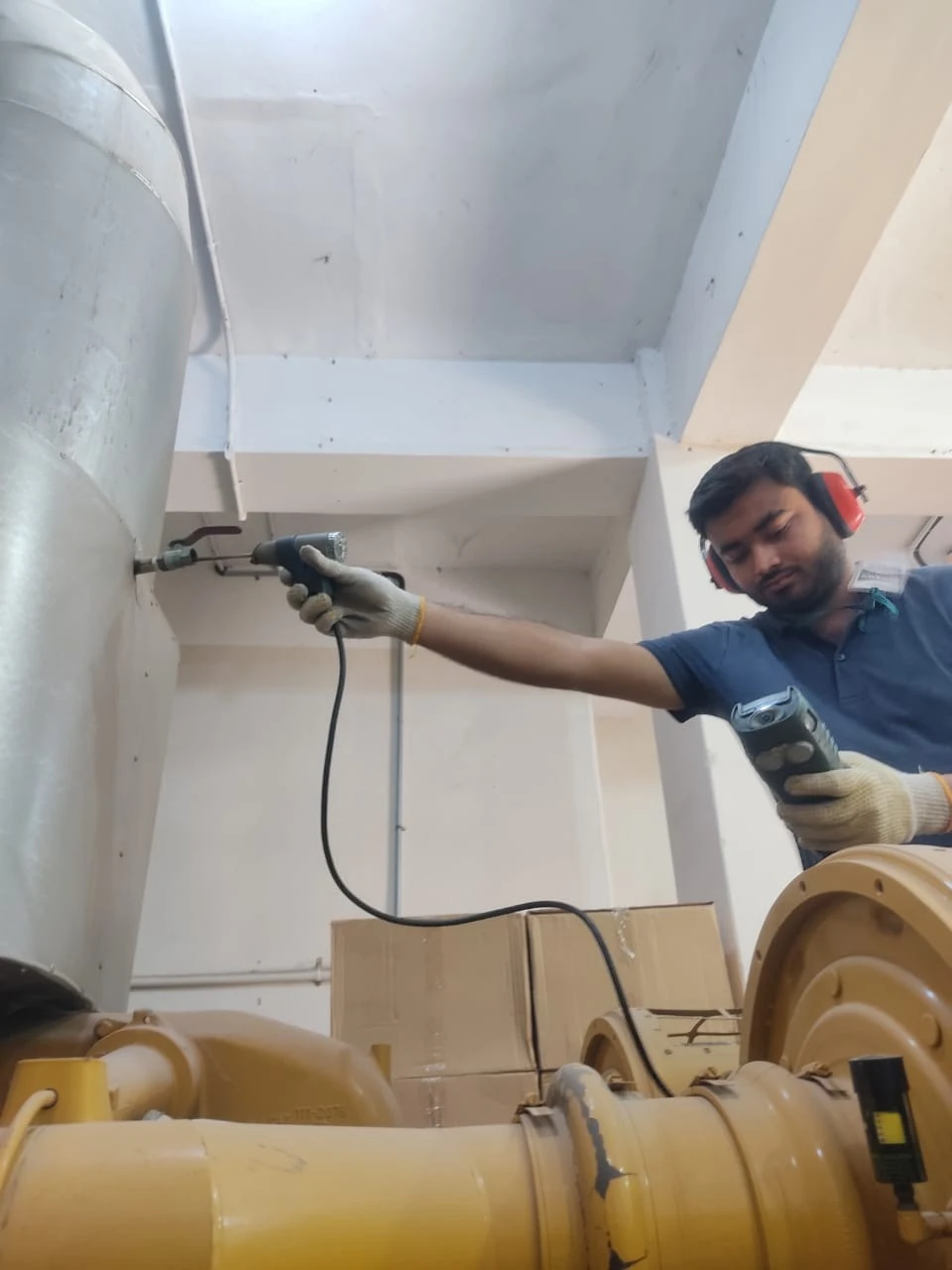
Environmental Impact Assessment (EIA) Case Study Pacific Jeans Ltd – Woven Garments Industry, Chattogram (CEPZ), Bangladesh
🏭 Project Overview Pacific Jeans Ltd
A comprehensive Environmental Impact Assessment (EIA) was conducted for Pacific Jeans Ltd, a 100% export-oriented woven garments manufacturing industry located in the Chattogram Export Processing Zone (CEPZ), Bangladesh.
The facility is one of the largest woven garment manufacturing units in Bangladesh with a total built-up area of approximately 551,290 sq. ft., employing around 9,000+ workers and staff and producing nearly 910,000 pieces per month.
The objective of this EIA was to assess the environmental and social impacts of the existing industrial operations and recommend mitigation measures to ensure sustainable and compliant factory operations.
📍 Project Location
Plot # 14–19, Sector # 05, Chattogram Export Processing Zone (CEPZ)
Chattogram, Bangladesh
🏢 Project Type
Export-Oriented Woven Garments Industry
Large-scale Manufacturing Facility
Industrial Processing Unit
⚠️ Project Background
The Environmental Impact Assessment was conducted as a post-construction compliance requirement and in response to buyer and sustainability standards.
Although the facility falls under Orange category under Bangladesh DoE classification (ECR 2023), the EIA was prepared to:
Evaluate existing environmental impacts
Support Environmental Clearance requirements
Meet international buyer compliance expectations
Improve Environmental Management Practices (EMP)
🔍 Study Methodology
The EIA study was conducted through:
Site inspection and field survey
Baseline environmental data collection
Air, water, and noise impact assessment
Wastewater treatment evaluation
Environmental modeling and compliance review
Socio-economic impact assessment
Environmental Management Plan (EMP) preparation
🌍 Key Environmental Aspects Assessed
🌫️ 1. Air Quality & Atmospheric Emissions
The factory operates boilers and generators using diesel and natural gas. Key findings include:
SO₂ emissions are minimal due to low sulfur content in gas
NOx emissions remain within acceptable limits
Gas engines equipped with low-NOx combustion systems
Emission dispersion modeling confirms compliance with international standards (IFC/WB guidelines)
💧 2. Wastewater Management
The factory generates wastewater from:
Garments washing and finishing processes
Domestic wastewater from workers
Key environmental controls:
Effluent Treatment Plant (ETP) capacity: 120 m³/hour
Water Treatment Plant (WTP) capacity: 250 m³/hour
Treated effluent discharged through controlled drainage system
👉 Ensures compliance with environmental discharge standards before release into canal systems.
🔊 3. Noise Pollution Control
Main noise sources:
Generators
Boilers
Mitigation measures implemented:
Generator room sound insulation (150 mm thick wall enclosure)
Noise control systems installed
Compliance with DoE and international noise standards
🌱 4. Solid Waste Management
Industrial and domestic waste managed separately
Proper handling and storage systems implemented
Waste disposal practices aligned with environmental guidelines
👥 5. Socio-Economic Impact
Positive impacts include:
Employment for 9,000+ workers
Contribution to export earnings and national economy
Industrial development in CEPZ region
Utilization of previously low-value land
📊 Environmental Findings
No major irreversible environmental impact identified
Impacts are manageable with proper mitigation measures
Facility is operating within acceptable environmental standards
Continuous monitoring recommended for air, water, and noise
🛠️ Environmental Management Measures
The following mitigation strategies were recommended and implemented:
Emission control through chimney stack management
Low-NOx combustion systems for boilers and generators
Proper ETP operation and monitoring
Oil spill prevention and chemical storage management
Noise insulation and regular maintenance
Periodic environmental monitoring program
📈 Project Outcome
The EIA concluded that:
✔ The factory is environmentally manageable under current operations
✔ No significant adverse environmental impact was identified
✔ The facility contributes positively to economic development
✔ With proper monitoring, the project remains environmentally compliant
🧠 Conclusion
The Environmental Impact Assessment for Pacific Jeans Ltd demonstrates that although the industrial operation generates environmental impacts typical of large-scale textile manufacturing, these impacts are effectively controlled through engineering and environmental management measures.
The facility is therefore considered an environmentally compliant and economically significant industrial development in
Nationwide Coverage
We provide environmental consultancy, Testing and monitoring support across all major industrial zones, EPZs, economic zones, and BSCIC industrial estates of Bangladesh.
🏭 Dhaka Division
Dhaka, Tejgaon Industrial Area, Mirpur, Keraniganj, Savar, Ashulia, Dhamrai, Gazipur, Tongi, Konabari, Kashimpur, Kaliakair, Sreepur, Mawna, Board Bazar, Joydebpur, Narayanganj, Fatullah, Siddhirganj, Adamjee EPZ, Kanchpur, Rupganj, Sonargaon, Araihazar, Munshiganj, Narsingdi, Manikganj.
BSCIC Industrial Estates:
Dhaka BSCIC, Narayanganj BSCIC, Gazipur BSCIC, Tongi BSCIC, Manikganj BSCIC, Narsingdi BSCIC, Munshiganj BSCIC.
🏭 Chattogram Division
Chattogram, Chattogram EPZ, Karnaphuli EPZ, Patenga, Bayezid, Nasirabad, Kalurghat, Sitakunda, Mirsarai, Anwara, Hathazari, Feni, Cumilla, Cumilla EPZ, Chandpur, Noakhali, Lakshmipur.
BSCIC Industrial Estates:
Chattogram BSCIC (Kalurghat), Cumilla BSCIC, Feni BSCIC, Chandpur BSCIC, Noakhali BSCIC.
🏭 Mymensingh Division
Mymensingh, Bhaluka, Trishal, Jamalpur, Sherpur, Netrokona.
BSCIC Industrial Estates:
Mymensingh BSCIC, Jamalpur BSCIC, Sherpur BSCIC.
🏭 Sylhet Division
Sylhet, Fenchuganj, Habiganj, Madhabpur, Sreemangal, Moulvibazar, Sunamganj, Chhatak.
BSCIC Industrial Estates:
Sylhet BSCIC, Habiganj BSCIC, Moulvibazar BSCIC, Sunamganj BSCIC.
🏭 Khulna Division
Khulna, Mongla, Mongla EPZ, Jashore, Benapole, Kushtia, Jhenaidah, Satkhira, Bagerhat, Chuadanga, Noapara.
BSCIC Industrial Estates:
Khulna BSCIC, Jashore BSCIC, Kushtia BSCIC, Jhenaidah BSCIC, Satkhira BSCIC, Bagerhat BSCIC.
🏭 Rajshahi Division
Rajshahi, Bogura, Pabna, Ishwardi EPZ, Sirajganj, Natore, Naogaon, Chapainawabganj.
BSCIC Industrial Estates:
Rajshahi BSCIC, Bogura BSCIC, Pabna BSCIC, Sirajganj BSCIC, Natore BSCIC, Naogaon BSCIC.
🏭 Rangpur Division
Rangpur, Nilphamari, Uttara EPZ, Saidpur, Dinajpur, Thakurgaon, Panchagarh, Gaibandha, Kurigram, Lalmonirhat.
BSCIC Industrial Estates:
Rangpur BSCIC, Dinajpur BSCIC, Nilphamari BSCIC, Saidpur BSCIC, Thakurgaon BSCIC, Panchagarh BSCIC.
🏭 Barishal Division
Barishal, Bhola, Patuakhali, Pirojpur, Jhalokathi, Barguna.
BSCIC Industrial Estates:
Barishal BSCIC, Patuakhali BSCIC, Bhola BSCIC.
🏭 Economic & Export Zones
Chattogram EPZ, Dhaka EPZ, Cumilla EPZ, Mongla EPZ, Ishwardi EPZ, Uttara EPZ, Adamjee EPZ, Karnaphuli EPZ, BEPZA Economic Zone (Mirsarai), and other BEZA/BEPZA industrial zones.
Bangladesh’s export sector.
Services Provided by Greentech Inspection Ltd
Environmental Impact Assessment (EIA)
- Initial Environmental Examination (IEE)
- Environmental Management Plan (EMP)
- Environmental & Social Impact Assessment (ESIA)
- Environmental Testing Bangladesh
- Ambient Air Monitoring Bangladesh
- Stack Emission Monitoring Bangladesh
- Stack Emission Testing Bangladesh
- Noise Level Assessment Bangladesh
- Light Level Assessment Bangladesh
- Industrial Hygiene Assessment Bangladesh
- Energy Audit Bangladesh
- ESG Consultancy Support Bangladesh
- Traffic Impact Assessment (TIA) Bangladesh
- Environmental Management Plan Bangladesh
- DoE Consultancy
Contact Greentech Inspection Ltd for professional EIA/TIA/ESIA/IHS/ESG/EMP/EA study and Environmental Inspection services in Dhaka, Bangladesh.
📞 Call / WhatsApp: +8801712-746927., +8801764-031809
📧 Email: [email protected], [email protected]
👉Fast | Accurate | Authority-Approved | Submission Ready | 12+ Years of Experience | 50+ TIA Projects Completed | 650+ EIA Projects Completed | 500+ EMP Projects Completed | 100+ Energy Audit | 20+ ESG Projects Completed | 40+ ESIA Projects Completed | 40+ Industrial Hygiene Assessment | 1000+ Customer | BAB Accredited | ISO/IEC 17020:2012 Certified |