Ambient Air Monitoring Bangladesh | Environmental Inspection Bangladesh | Air Quality Assessment Bangladesh | Ambient Air Monitoring Case Study for a Polyester Manufacturing Facility in Bangladesh
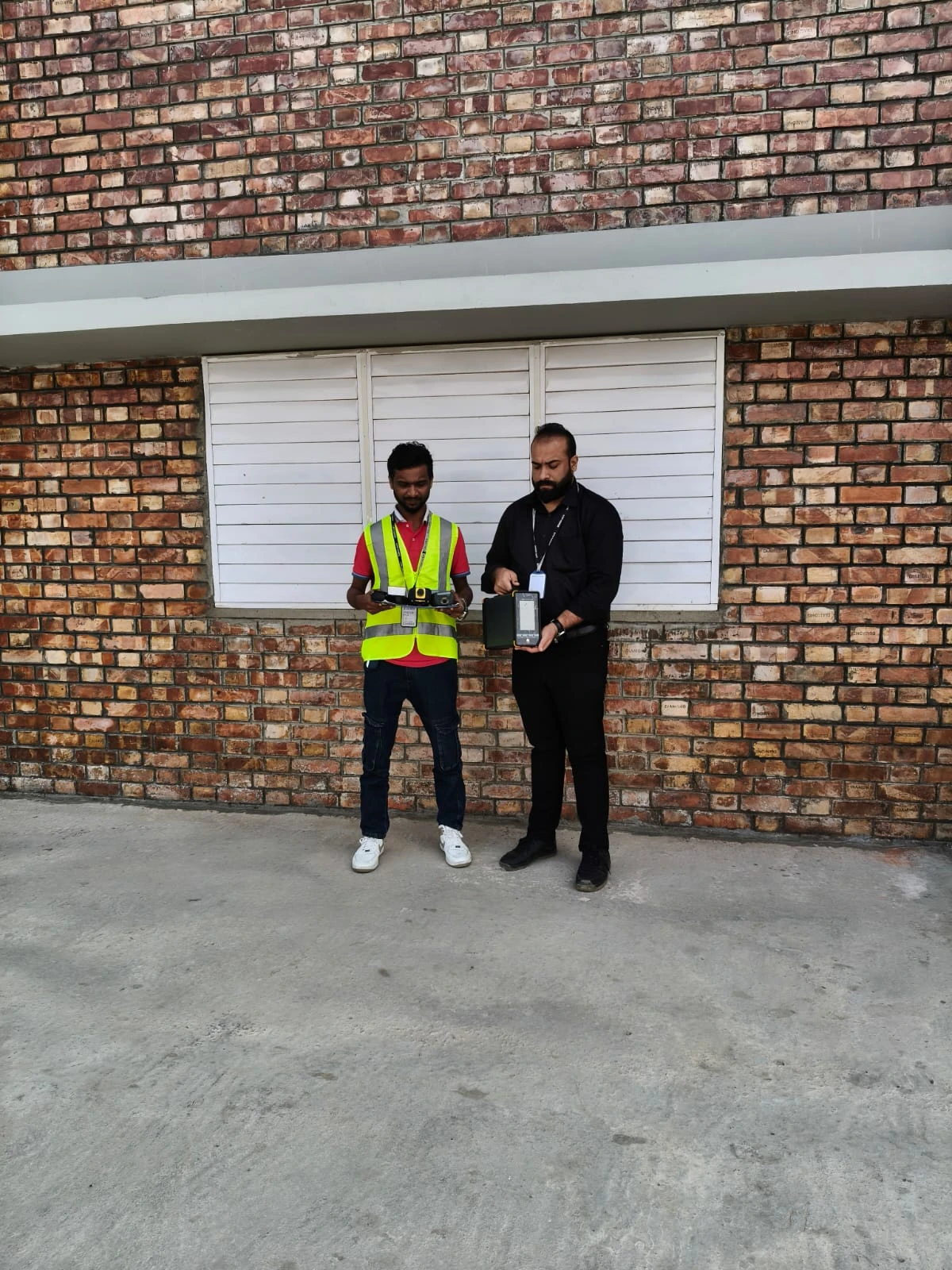
Project Background
Maintaining ambient air quality is essential for ensuring environmental compliance, protecting worker health, and demonstrating sustainability performance in industrial facilities. Polyester manufacturing facilities can generate airborne pollutants from production processes, material handling activities, transportation, and utility operations.
To evaluate the environmental condition of the facility and verify compliance with applicable environmental standards, Greentech Inspection Ltd conducted an Ambient Air Monitoring Assessment at Karnaphuli Polyester Products Co. Ltd. (Unit 4), located within the Korean Export Processing Zone (KEPZ), Chattogram.
The assessment was conducted following Greentech Inspection Ltd's approved environmental monitoring procedures and industry best practices.
Objectives of the Assessment
The primary objectives of the Ambient Air Monitoring study were:
- Evaluate ambient air quality surrounding the factory premises.
- Measure key air quality parameters.
- Assess compliance with Bangladesh environmental standards.
- Compare findings against international environmental guidelines.
- Identify any potential environmental risks.
- Recommend improvement measures for continual environmental performance.
Scope of Monitoring
Ambient air monitoring was conducted at four strategic locations around the factory boundary:
Monitoring Locations
- North Side Boundary Area
- South Side Boundary Area
- East Side Boundary Area
- West Side Boundary Area
The monitoring locations were selected to provide representative environmental conditions around the facility.
Parameters Monitored
The following ambient air quality parameters were evaluated:
- Oxygen (O₂)
- Ozone (O₃)
- PM1.0
- PM2.5
- PM10
- Carbon Monoxide (CO)
- Nitrogen Dioxide (NO₂)
- Suspended Particulate Matter (SPM)
- Volatile Organic Compounds (VOC)
- Formaldehyde (HCHO)
- Sulfur Dioxide (SO₂)
Environmental Standards Considered
The monitoring results were evaluated against:
- Bangladesh Environmental Conservation Rules (ECR) 2023
- Air Pollution Control Rules 2022
- United States Environmental Protection Agency (US EPA) Standards
- World Bank Environmental Guidelines
These standards are widely recognized for environmental compliance and environmental performance assessment.
Key Findings
Oxygen Concentration
The oxygen concentration was measured at 20.9% across all monitoring locations.
Assessment Result
✓ Within normal atmospheric range
✓ Suitable ambient environmental condition
Ozone (O₃)
Measured ozone concentration ranged between:
- 17–19 µg/m³
Assessment Result
✓ Significantly below applicable environmental standards
✓ No ozone-related environmental concern identified
PM1.0, PM2.5 and PM10
Measured Concentrations
PM1.0:
- 16–18 µg/m³
PM2.5:
- 22–24 µg/m³
PM10:
- 30–32 µg/m³
Assessment Result
✓ All particulate matter concentrations remained well below Bangladesh and international guideline values.
✓ Airborne dust concentration was considered low.
✓ Good ambient air quality condition observed.
Carbon Monoxide (CO)
Measured concentration:
- 0.0 mg/m³
Assessment Result
✓ No significant carbon monoxide impact detected.
✓ Excellent ambient environmental condition.
Nitrogen Dioxide (NO₂)
Measured concentration:
- 0.0 µg/m³
Assessment Result
✓ Within acceptable environmental limits.
✓ No significant combustion-related impact observed.
Sulfur Dioxide (SO₂)
Measured concentration:
- 0.0 µg/m³
Assessment Result
✓ Within acceptable environmental standards.
✓ No significant sulfur emission impact identified.
Suspended Particulate Matter (SPM)
Measured concentration:
- 52–56 µg/m³
Assessment Result
✓ Low particulate loading observed.
✓ Air quality remained satisfactory around the facility boundary.
VOC and Formaldehyde (HCHO)
Measured concentration:
- VOC: 0 mg/m³
- HCHO: 0 mg/m³
Assessment Result
✓ No significant volatile organic compound emission detected.
✓ Formaldehyde concentration remained negligible.
Compliance Evaluation
The assessment demonstrated that all monitored ambient air quality parameters were within the applicable environmental standards and international guideline values.
The monitoring results indicate that:
- The facility is maintaining satisfactory ambient environmental conditions.
- No major environmental impact was identified from factory operations.
- Air pollutant concentrations remained significantly below regulatory limits.
- Existing environmental management practices appear effective.
Environmental Benefits Observed
The facility demonstrated several positive environmental performance indicators:
Effective Environmental Management
The ambient air quality results suggest that existing operational controls are helping maintain environmental quality.
Low Air Pollution Risk
No significant air quality deterioration was observed at the facility boundary.
Compliance with Environmental Requirements
Measured environmental parameters complied with Bangladesh and international environmental standards.
Improved Workplace and Community Environment
Maintaining good ambient air quality contributes to healthier conditions for workers and nearby communities.
Recommendations
To ensure continued environmental performance, the following recommendations were provided:
Regular Ambient Air Monitoring
Periodic ambient air monitoring should be conducted to verify ongoing compliance and identify any emerging environmental issues.
Preventive Equipment Maintenance
Generators, production equipment, and utility systems should be maintained regularly to minimize emissions.
Environmental Monitoring Program
The facility should continue implementing environmental monitoring as part of its Environmental Management System (EMS).
Environmental Awareness
Employees should receive environmental awareness training to support pollution prevention and environmental protection initiatives.
Conclusion
Greentech Inspection Ltd successfully conducted an Ambient Air Monitoring Assessment at Karnaphuli Polyester Products Co. Ltd. (Unit 4), located in KEPZ, Chattogram.
The assessment confirmed that ambient air quality surrounding the facility remained within the acceptable limits established by Bangladesh environmental regulations and international standards. No significant environmental concerns related to air quality were identified during the monitoring program.
Based on the monitoring results, the factory is operating under satisfactory environmental conditions and demonstrates a positive commitment to environmental compliance and sustainable industrial operation.
Regular environmental monitoring and continual improvement initiatives are recommended to maintain environmental performance and ensure long-term compliance with applicable environmental requirements.
Project Conducted By: Greentech Inspection Ltd.
Service Category: Ambient Air Monitoring Bangladesh | Environmental Inspection Bangladesh | Air Quality Assessment Bangladesh. | Environmental Consultancy | EIA ,EMP Consultancy
Contact Greentech Inspection Ltd.
Prepared by: Greentech Inspection Ltd.
Managing Director: Shabbir Ahmed
Call / WhatsApp: +8801712-746927, +8801764-031809
Email: [email protected], [email protected]
👉Fast | Accurate | Authority-Approved | Submission Ready | 12+ Years of Experience | 50+ TIA Projects Completed | 650+ EIA Projects Completed | 500+ EMP Projects Completed | 100+ Energy Audit | 20+ ESG Projects Completed | 40+ ESIA Projects Completed | 40+ Industrial Hygiene Assessment | 1000+ Customer | BAB Accredited | ISO/IEC 17020:2012 Certified |