Environmental & Social Impact Assessment (ESIA) for Agami Apparels Limited, Ashulia, Dhaka – A Case Study
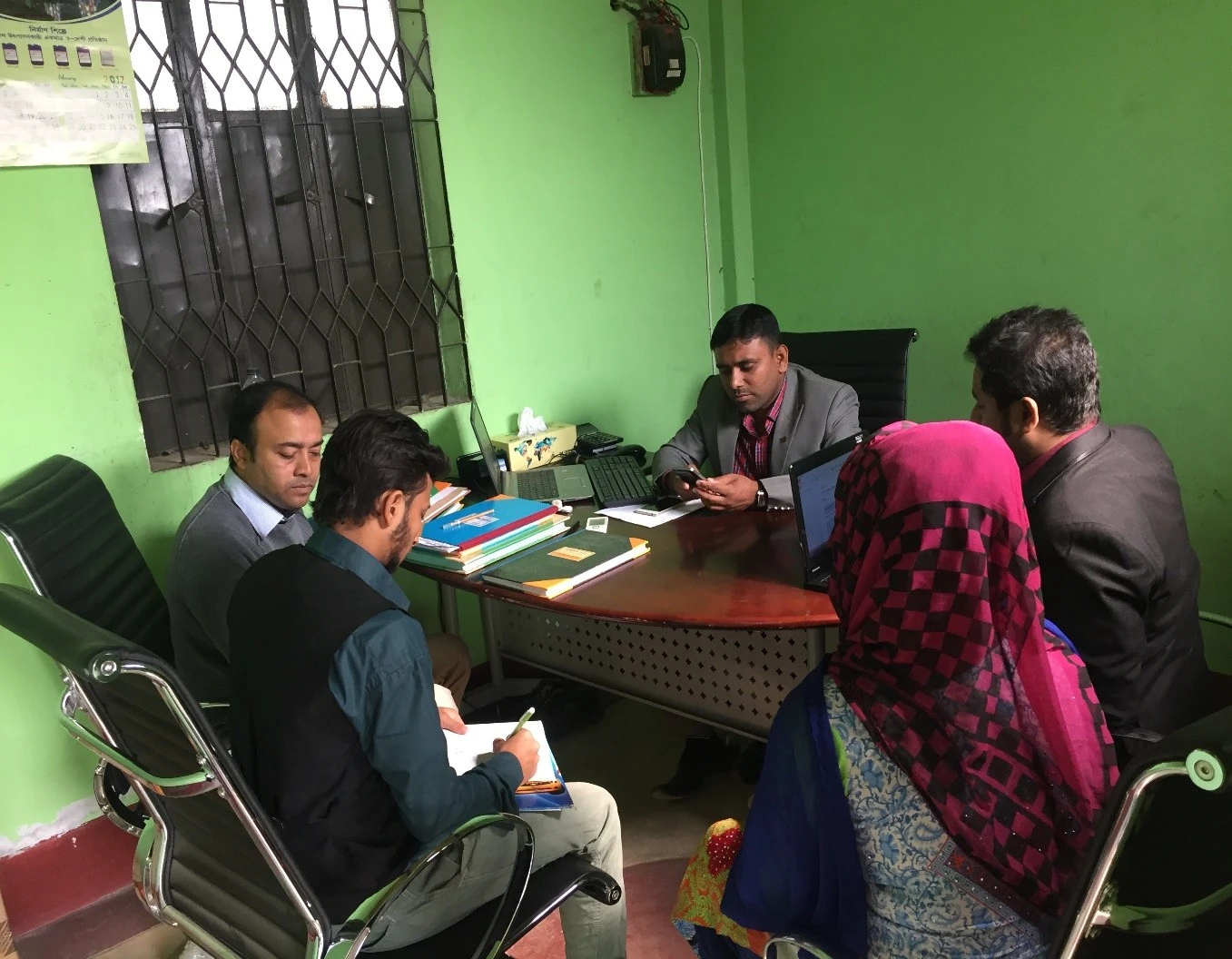
Environmental & Social Impact Assessment (ESIA) in Bangladesh: Agami Apparels Limited Case Study
As Bangladesh continues to strengthen its position as one of the world's leading ready-made garment (RMG) exporters, sustainable industrial development has become increasingly important. Environmental and Social Impact Assessment (ESIA) plays a critical role in identifying potential environmental and social risks associated with industrial operations while ensuring compliance with national and international standards.
Greentech Inspection Ltd successfully conducted an Environmental & Social Impact Assessment (ESIA) for Agami Apparels Limited, a leading export-oriented woven garments manufacturer located in Ashulia, Savar, Dhaka.
Project Overview
Agami Apparels Limited is a sister concern of Dekko Group, one of Bangladesh's most respected business conglomerates with over 60 years of industrial experience.
Project Information
- Project Name: Agami Apparels Limited
- Industry Type: Export-Oriented Woven Garments Manufacturing
- Location: Nowapara, Dhanangaipur, Ashulia, Savar, Dhaka
- Establishment Year: 2017
- Total Workforce: Approximately 8,200 Employees
- Production Capacity: Approximately 950,000 Pieces per Month
- Regulatory Category: Orange-B Category under Environmental Conservation Rules (ECR), 1997
The factory manufactures various woven garments including pants and apparel products for men, women, boys, and girls, contributing significantly to Bangladesh's export earnings and economic development.
Why Was an ESIA Conducted?
Although Agami Apparels Limited falls under the Orange-B category and generally requires an Environmental Management Plan (EMP), a comprehensive ESIA was conducted in response to international financing and buyer requirements.
The objective was to:
- Evaluate current environmental and social impacts
- Assess compliance with environmental regulations
- Identify potential environmental risks
- Develop mitigation measures
- Improve sustainability performance
- Meet lender and buyer expectations
Scope of ESIA Study
The ESIA covered assessment of:
Environmental Aspects
- Air Quality and Atmospheric Emissions
- Water Pollution and Wastewater Management
- Noise Pollution
- Solid Waste Management
Social Aspects
- Employment Generation
- Community Development
- Worker Health and Safety
- Socio-Economic Benefits
Key Findings of the ESIA
Air Quality Assessment
The primary sources of air emissions were identified as:
- Diesel-powered generators
- Vehicle exhaust emissions
- Road dust
- Boiler operations
The assessment found:
- Sulfur dioxide (SO₂) emissions were insignificant
- Nitrogen Oxide (NOx) emissions remained within acceptable limits
- Emission levels complied with Bangladesh DoE requirements and World Bank/IFC standards
- Existing chimney systems provided adequate pollutant dispersion
Mitigation Measures Implemented
- Adequate chimney stack height maintained
- Regular generator maintenance programs
- Tree plantation initiatives implemented
- Dust suppression through water spraying
- Use of low-NOx technologies
- Personal protective equipment (PPE) provided to workers
Water Pollution Management
The assessment found that:
- Wastewater generation primarily originates from domestic activities
- Domestic wastewater is managed through septic tank systems
- No significant industrial wastewater discharge issues were identified
Noise Assessment
The major source of noise pollution was identified as generator operations.
The ESIA confirmed:
- Noise levels remained within acceptable limits
- Existing noise control measures were effective
- Additional monitoring and maintenance were recommended
Solid Waste Management
The assessment recommended:
- Segregation of waste at source
- Proper waste storage systems
- Recycling through authorized third-party recyclers
- Proper labeling and disposal of medical waste
Socio-Economic Benefits
The ESIA identified significant positive social impacts including:
Employment Opportunities
The factory provides direct employment to approximately 8,200 workers and staff, supporting thousands of families.
Economic Contribution
The facility contributes significantly to:
- Foreign exchange earnings
- National economic growth
- Export sector development
- Local business activities
Community Development
The factory's presence has contributed to:
- Development of local businesses
- Growth of residential facilities
- Improved economic activities in the surrounding area
Environmental and Social Management Recommendations
To further improve sustainability performance, the ESIA recommended:
Worker Health and Safety
- Mandatory use of PPE in operational areas
- Ear protection for generator operators
- Continuous safety training programs
Employment Practices
- Priority recruitment from local communities
- Equal employment opportunities
- Continuous workforce development programs
Environmental Management
- Regular environmental monitoring
- Proper waste segregation and disposal
- Continuous pollution control measures
- Periodic compliance assessments
Conclusion
The Environmental and Social Impact Assessment conducted by Greentech Inspection Ltd concluded that Agami Apparels Limited does not create any significant adverse environmental impacts under current operational conditions.
The assessment found that:
- Environmental impacts are minimal and manageable
- Existing mitigation measures are effective
- The factory complies with relevant environmental requirements
- Significant positive socio-economic benefits are generated
- Sustainable operations can be maintained through continued monitoring and management
The study demonstrates that responsible industrial development, combined with proper environmental management practices, can contribute to Bangladesh's economic growth while maintaining environmental sustainability and social responsibility.
Need ESIA Services in Bangladesh?
Greentech Inspection Ltd provides professional:
- Environmental & Social Impact Assessment (ESIA)
- Environmental Impact Assessment (EIA)
- Environmental Management Plan (EMP)
- ESG Reporting
- Environmental Monitoring
- Industrial Hygiene Assessment
- Sustainability Consulting
Contact our experts to discuss your project's environmental and social assessment requirements
Prepared by:
Greentech Inspection Ltd.
Managing Director: Shabbir Ahmed
+88 01764-031809
👉Fast | Accurate | Authority-Approved | Submission Ready | 12+ Years of Experience | 50+ TIA Projects Completed | 650+ EIA Projects Completed | 500+ EMP Projects Completed | 100+ Energy Audit | 20+ ESG Projects Completed | 40+ ESIA Projects Completed | 40+ Industrial Hygiene Assessment | 1000+ Customer | BAB Accredited | ISO/IEC 17020:2012 Certified |
Contact Greentech Inspection Ltd for professional EIA/TIA/ESIA/IHS/ESG/EMP/EA study and Environmental Inspection services in Dhaka, Bangladesh.
📞 Call / WhatsApp: +8801712-746927., +8801764-031809
📧 Email: [email protected], [email protected]